What the Shop Assistant Cannot Show You: Verifying CBD Batch Evidence on UK High Streets
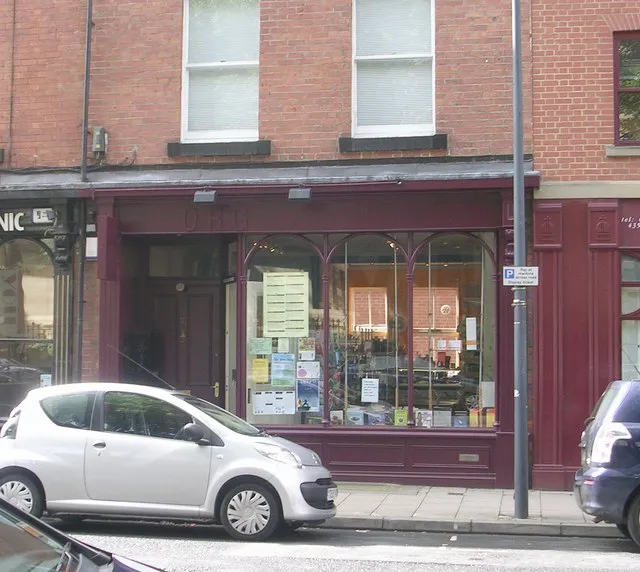
Photo: Betty Longbottom , CC BY-SA 2.0, via Wikimedia Commons
A physical shop carries a certain authority. The lighting is warm, the products are arranged with care, and there is a person in front of you who is willing to answer questions. For a category as opaque as cannabidiol, that can feel like a form of verification in itself. It is not. The bottle on the shelf and the bottle in your hand may come from different production runs, and no amount of shelf-edge confidence changes that.
The purpose of this guide is not to cast suspicion on retailers. Most counter staff are doing an honest job with the information a brand has given them, and pharmacy teams in particular are bound by professional standards that many online sellers are not. The point is narrower and more useful: to separate what retail can evidence from what it can only assert, and to give you a routine that closes the gap before money changes hands.
The Difference Between a Brand Claim and a Batch Record
A shelf card that reads 'third-party lab tested' is a statement about a supplier's general practice. A certificate of analysis (COA) bearing the same lot number as the pack you are holding is a statement about a specific physical quantity of product. The two are not interchangeable, and only one of them tells you anything about the liquid in your bottle.
This distinction matters most in shops that stock a curated range. A buyer for the retailer may well have seen a certificate at the point of listing, possibly many months earlier, for a reference sample. That is a defensible commercial process. It is not evidence that the unit on display was drawn from the same batch, stored in comparable conditions, or tested after the most recent reformulation.
What a Counter Can Reasonably Be Asked
Retail staff should be able to tell you the brand, the product format, the stated potency and the price. Asking for anything beyond that is a fair question, but the answer will depend on how the shop has been set up.
Three questions tend to sort a shop into one of two categories quickly. First: is the batch or lot number printed on the pack, or only on the outer carton? Second: can the retailer access the certificate for that specific number, today, in the shop? Third: who performed the analysis, and is the laboratory named on the document?
Many independent health shops will be able to answer the first and will be honest that they cannot answer the second. A small retailer cannot hold a live library of certificates for every line it stocks, and it is unreasonable to expect otherwise. What matters is whether the shop can point you to where that evidence lives, and whether that route works.
When the Route Leads to a Homepage
Most brands now place a QR code on the pack or a link on their website to a COA library. In practice, a significant proportion of these routes lead to a marketing page rather than a document. You may land on a general 'quality' or 'our promise' page, or on a library where the most recent certificate is several product revisions old.
Standing at a counter with a phone is an unusually good place to test this, because you can do it before paying rather than after. Scan the code, note the lot number from the base of the bottle, and check whether the library lets you match it. If the library is organised by product name rather than by batch, note that too. It is not automatically a failing, but it does tell you the brand has not built its evidence around traceability.
Display Conditions Are Part of the Product
Purity is not fixed at the point of manufacture. Cannabidiol in an oil carrier is susceptible to light, heat and oxygen, and a shop window is an unforgiving environment for all three.
Watch for oils displayed on a sunny south-facing shelf, near a radiator, or under halogen spotlights that run warm. Look at whether products sit in clear glass rather than amber or opaque containers. Check the base of the bottle and the cap seal for evidence of leakage or residue, which suggests the pack has been opened, returned or stored on its side. In summer months, a shop without air conditioning may routinely exceed the temperatures at which accelerated stability testing was carried out.
None of this is visible on a certificate, and none of it will be volunteered. It is a judgement you make with your eyes, and it belongs in the same mental folder as the lab report.
A Short Script for the Counter
If you want a repeatable routine, four sentences will carry most of the weight.
- 'Could you confirm the batch number on this pack?' This establishes whether batch identification is even possible at retail level.
- 'Is there a certificate for that batch that I can see before I buy?' A yes is useful; a no is information, not an insult.
- 'Which laboratory produced it, and what date does it carry?' The date tells you how far the evidence sits from the product in your hand.
- 'How long has this been on display here?' Stock rotation affects freshness, and a slow-moving line in a warm window is a poor combination.
If the shop cannot answer, ask for the brand name and check the online library yourself before paying. If neither route yields a document tied to that lot number, you are buying on trust. That may be acceptable for a low-cost trial purchase. It is a weak basis for a repeat order.
Where Pharmacies Differ
Pharmacies operate under a different set of expectations from general retail, and some stock CBD products with a degree of diligence that reflects that. It is still worth being precise about what is being claimed. A product's presence on the FSA novel food register indicates that an application has been submitted and validated, not that a specific batch has been tested for purity. Likewise, a pharmacist's professional standing speaks to the advice you are given, not to the chemistry of the contents.
The Reasonable Conclusion
The high street is neither better nor worse than the internet as a channel for buying CBD. It simply moves the evidential burden. Online, you can navigate a library at leisure and compare documents across brands. In person, you are limited by what the shop has chosen to make available and by how the product has been kept since delivery.
A helpful assistant and a handsome display are pleasant things. A lot number, a dated certificate and a container that has been stored out of the light are better. Ask for the second set, and be prepared to walk away politely if the first is all that is on offer.