CBD Purist Lab-tested CBD, honestly explained.

CBD Purist

Lab-tested CBD, honestly explained.

Latest Articles

The Sample Before the Certificate: How Batch Sampling Shapes What a UK CBD Lab Report Can Prove
Ingredients & Labelling

The Sample Before the Certificate: How Batch Sampling Shapes What a UK CBD Lab Report Can Prove

A UK CBD certificate of analysis can only describe the material that reached the laboratory, not every bottle that leaves a production run. This article examines composite samples, random sampling, homogenisation and sub-sampling, and sets out the questions a buyer should ask before treating a batch certificate as evidence about the product in hand.
The Sum of the Parts: Reading Cannabinoid Mass Balance on a UK CBD Certificate
Ingredients & Labelling

The Sum of the Parts: Reading Cannabinoid Mass Balance on a UK CBD Certificate

A certificate can list CBD, CBDA, CBG and a handful of minor cannabinoids without showing whether those figures account for the extract they describe. This guide explains cannabinoid mass balance, why unexplained gaps matter, and what UK buyers should ask when the numbers on a lab report do not reconcile.

The Acid Behind the Zero: Why THCA Belongs Beside Delta-9 THC on a UK CBD Certificate
Ingredients & Labelling

The Acid Behind the Zero: Why THCA Belongs Beside Delta-9 THC on a UK CBD Certificate

A certificate that reports delta-9 THC as 0.0% can look like a clean bill of health, but it may say nothing about THCA. This guide explains why the two lines belong together, how to calculate a total THC equivalent where the report supports it, and what to ask when a brand treats one zero as the whole story.

The Device Is Not on the Certificate: Auditing CBD Vape Purity Beyond the Liquid
Ingredients & Labelling

The Device Is Not on the Certificate: Auditing CBD Vape Purity Beyond the Liquid

A CBD vape certificate of analysis describes the liquid in the cartridge, not the aerosol a buyer actually inhales. This audit examines what falls outside the sample bag — coil alloys, wick material, device wattage, cutting agents and terpene load — and sets out the questions a purity-minded UK buyer should ask before trusting a cartridge.

Beyond the Dropper Mark: Why Per-Drop CBD Potency Is an Estimate, Not a Measurement
Ingredients & Labelling

Beyond the Dropper Mark: Why Per-Drop CBD Potency Is an Estimate, Not a Measurement

A label stating a precise milligram figure per drop can create an impression of measured accuracy that the underlying batch certificate does not support. This article examines the arithmetic behind per-drop CBD claims, the physical variables that alter drop size, and the disclosures that separate a transparent calculation from decorative precision.

A Percentage Without a Subject: Why '99% Pure Isolate' Cannot Vouch for a CBD Oil
Ingredients & Labelling

A Percentage Without a Subject: Why '99% Pure Isolate' Cannot Vouch for a CBD Oil

A 99% isolate figure may be accurate for a bag of raw powder while saying very little about the oil in a dropper bottle. This guide explains what the number measures, how carrier dilution changes the arithmetic, and which finished-product evidence a UK buyer should check before treating isolate purity as a quality claim.

Accreditation Is a Scope, Not a Stamp: Auditing UK CBD Laboratory Reports
Buying Guides

Accreditation Is a Scope, Not a Stamp: Auditing UK CBD Laboratory Reports

A UKAS logo on a CBD certificate of analysis is a starting point, not a conclusion. This guide explains how to check the laboratory's ISO/IEC 17025 schedule, read scope exclusions and judge whether the method behind a potency or contaminant result is actually accredited.

Same Certificate, Different Shelf: Auditing White-Label CBD Across UK Storefronts
Buying Guides

Same Certificate, Different Shelf: Auditing White-Label CBD Across UK Storefronts

A single laboratory certificate can legitimately underpin a dozen differently branded CBD oils — and that is precisely why it deserves scrutiny. This guide explains how white-label and private-label arrangements work in the UK market, how to compare batch codes and certificate metadata, and where accountability actually rests when a product falls short.

Below the Line: What 'Not Detected' Really Means on a UK CBD Certificate
Ingredients & Labelling

Below the Line: What 'Not Detected' Really Means on a UK CBD Certificate

A 'not detected' entry on a CBD certificate of analysis is a statement about a test, not a guarantee of absence. This guide explains limit of detection and limit of quantification, why laboratories report different thresholds, and how UK buyers can compare certificates without being misled by insensitive methods.

The Method Line Matters: What HPLC and GC Certificates Actually Prove About UK CBD
Ingredients & Labelling

The Method Line Matters: What HPLC and GC Certificates Actually Prove About UK CBD

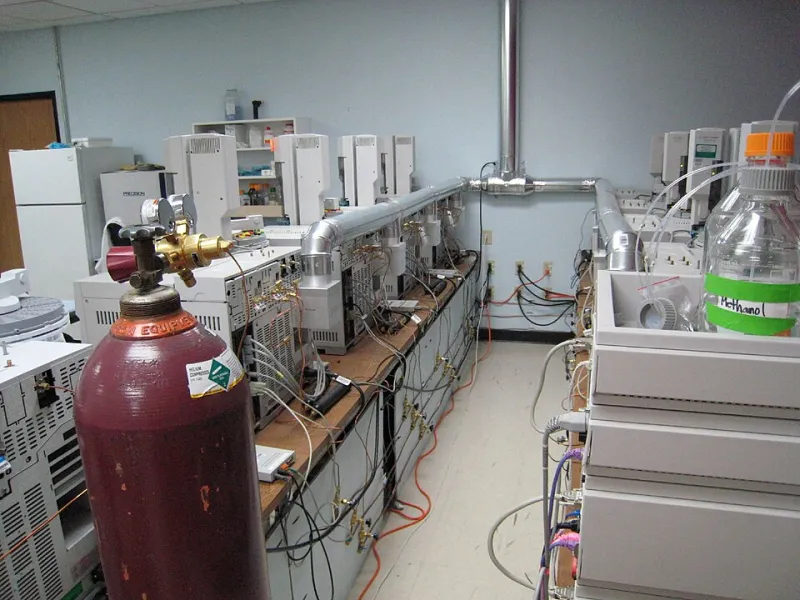
A potency figure is only as strong as the analytical method behind it. This guide explains how to read HPLC and GC method lines on UK CBD certificates, why two laboratories can reach different numbers for the same oil, and which questions expose a COA that looks technical but proves very little.

Scan, Redirect, Disappear: Auditing the Lab-Link QR Codes on UK CBD Packaging
Buying Guides

Scan, Redirect, Disappear: Auditing the Lab-Link QR Codes on UK CBD Packaging

A QR code on a CBD carton is often presented as a shortcut to laboratory evidence. This audit explains how to test whether the link resolves to a current, batch-matched certificate — and how to record what it actually delivers before you reorder.

Absence of Evidence: Reading Pesticide Coverage on a UK CBD Certificate
Ingredients & Labelling

Absence of Evidence: Reading Pesticide Coverage on a UK CBD Certificate

A certificate of analysis records the tests a laboratory was asked to perform, not the tests a buyer might assume were performed. When pesticide results are missing from a UK CBD certificate, the gap deserves scrutiny rather than a reassuring story about clean hemp.

The Subscription Is Not the Product: Keeping Batch Evidence Current in UK CBD Repeat Orders
Buying Guides

The Subscription Is Not the Product: Keeping Batch Evidence Current in UK CBD Repeat Orders

UK CBD subscriptions turn a single purchase into a sequence of supplies, and each delivery may carry a different batch, carrier oil or certificate of analysis. This guide sets out how subscribers can keep the evidence current in 2026 and what to ask when a repeat order no longer matches the bottle they originally checked.

The Signature on the Sample Bag: How to Tell Whether a UK CBD Lab Report Was Truly Independent
Buying Guides

The Signature on the Sample Bag: How to Tell Whether a UK CBD Lab Report Was Truly Independent

A laboratory result is only as trustworthy as the chain of custody behind it. This guide explains how UK CBD buyers can distinguish a genuinely independent test from a certificate commissioned, shaped or quietly subsidised by the brand itself, and sets out the checks that matter in 2026.

The Quiet Panel: Why Microbiology Results Deserve a Place Beside Potency on UK CBD Certificates
Ingredients & Labelling

The Quiet Panel: Why Microbiology Results Deserve a Place Beside Potency on UK CBD Certificates

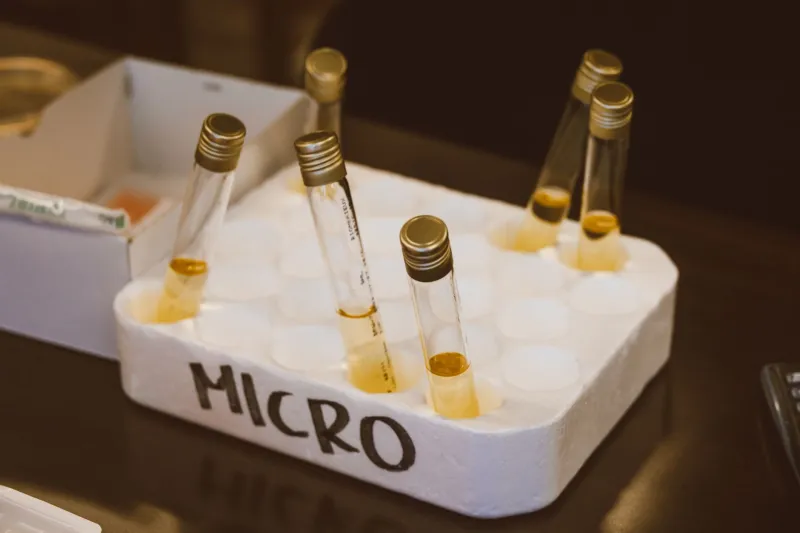
Potency and heavy metals dominate UK CBD certificates because they are easy to screenshot and simple to compare. Microbiology panels are less photogenic, but their absence leaves a genuine gap in the evidence. This article explains what those tests cover in an oil-based product and how buyers can ask about them without turning a routine question into a confrontation.

Fine Print in the Emulsion: How 'Nano' and 'Water-Soluble' CBD Labels Resist a Straight Purity Check
Buying Guides

Fine Print in the Emulsion: How 'Nano' and 'Water-Soluble' CBD Labels Resist a Straight Purity Check

Water-soluble CBD is a formulation achievement, not a purity credential, and the emulsifiers that make it possible change what a laboratory is actually measuring. This guide explains how nanoemulsions complicate potency and contaminant testing, and how UK buyers can tell an absorption claim from verifiable evidence.

Solvent-Free Is a Claim, Not a Finding: Auditing Extraction Language on UK CBD Oils
Ingredients & Labelling

Solvent-Free Is a Claim, Not a Finding: Auditing Extraction Language on UK CBD Oils

'CO2 extracted' and 'ethanol-free' describe how a product was made, not what a laboratory found inside it. This piece walks UK buyers through the common extraction routes, sets out what a residual solvent panel can and cannot establish, and lists the questions worth putting to a brand before a clean-sounding process claim is taken at face value.

Cadmium, Lead and the Missing Step: Why a Heavy Metals Panel on Hemp Is Not Evidence About Your Oil
Ingredients & Labelling

Cadmium, Lead and the Missing Step: Why a Heavy Metals Panel on Hemp Is Not Evidence About Your Oil

Hemp is a capable accumulator of cadmium and lead, yet many UK certificates stop at the plant rather than the product. This guide sets out which metals should be tested, what retained GB maximum levels actually cover, and how to tell a biomass report from genuine evidence about the oil in your bottle.

The 850mg Problem: What a Potency Shortfall Tells a UK Buyer About Everything Else a Brand Does
Buying Guides

The 850mg Problem: What a Potency Shortfall Tells a UK Buyer About Everything Else a Brand Does

A bottle that promises 1000mg and tests at 850mg is not merely a dosing nuisance. This opinion-led analysis works through the arithmetic, decarboxylation and filling failures that produce shortfalls, and argues that potency is the most visible symptom of a quality system nobody can otherwise see.

Aroma Is Not a Specification: Reading Terpene and 'Natural Flavour' Claims on UK CBD Labels
Ingredients & Labelling

Aroma Is Not a Specification: Reading Terpene and 'Natural Flavour' Claims on UK CBD Labels

Terpene language on UK CBD labels often describes an experience rather than a composition. This guide separates cannabis-derived terpenes, botanical flavourings and vague 'natural flavour' claims, and explains what a batch certificate can and cannot prove.