Before the Seal Is Broken: How UK CBD Packaging and Storage Can Undermine Purity

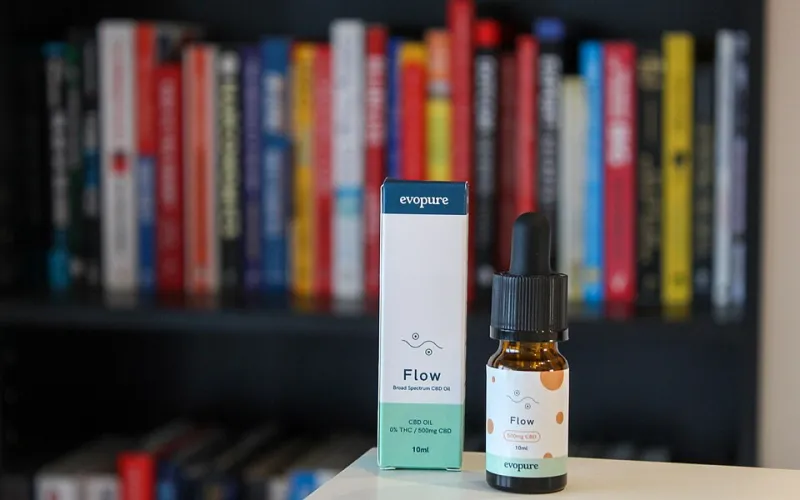
Photo: amber glass CBD oil bottle on retail shelf with light protection packaging, via i.natgeofe.com
A CBD oil can be made with care and still lose quality on a warm shop shelf or a sunny kitchen windowsill. Packaging and storage are not cosmetic details; they are part of the product’s evidence base. In the UK, where online sales and high-street retail both expose products to variable conditions, buyers should read packaging claims with the same scepticism they apply to potency claims.
Why light, heat and oxygen matter
Cannabinoids and terpenes are not inert. Light, especially ultraviolet and visible blue light, can accelerate degradation. Heat increases the rate of chemical reactions, while oxygen promotes oxidation. Repeated opening introduces air, and a poorly fitting dropper can let in more than intended.
The result may be a product that no longer matches its certificate of analysis, even if the bottle is within its best-before date. Terpenes are volatile and can be lost or altered, changing aroma and flavour. This does not mean every clear bottle is unsafe, but it does mean packaging and storage should match the product’s vulnerability.
Clear bottles and the shop-shelf problem
Clear glass is attractive and lets buyers see the oil, but it offers little protection from light. A clear bottle on a windowsill, under spotlights or near a radiator is a poor combination. In UK retail, products may be displayed near windows or in warm areas; online orders may sit in delivery vans or waiting areas before they reach the customer.
Buyers can ask how a retailer stores stock, but they cannot control every step. That makes opaque or amber packaging, sealed droppers and clear storage instructions more than marketing points. They are practical measures that acknowledge how CBD products are handled between laboratory and home.
What amber glass can and cannot do
Amber glass filters a significant proportion of shorter-wavelength light, which is why it is common for oils. Opaque containers, airless pumps and well-fitting droppers can further limit light and air exposure. None of these features can rescue a poor formulation or a batch that was already degraded.
Packaging is protective, not corrective. A brand that explains why it chose a container is more convincing than one that simply calls it ‘premium’. Similarly, an elegant bottle does not compensate for a missing COA or an unclear batch code.
A UK checklist for packaging claims
-
Container: amber or opaque glass or plastic is preferable for oils. Clear packaging may be acceptable in some formats, but it should come with explicit light-protection and storage guidance.
-
Seal: look for a tamper-evident closure and a dropper that fits securely. A loose or damaged seal is a reason to pause.
-
Batch and expiry: the pack should show a batch or lot code, a manufacture or fill date where relevant, and a best-before date. These details should match the COA.
-
Storage instructions: cool, dry and dark is the usual advice. Avoid bathrooms, windowsills, cooker hoods and radiators. Close the bottle immediately after use and store it upright.
-
Claims: ‘light-resistant’ should be explained rather than asserted. ‘Airtight’ should be meaningful in practice. ‘Pharmaceutical-grade’ is vague without a specification. ‘Lab-tested’ needs a batch-specific COA.
-
Retail conditions: ask how the product has been stored. Avoid displays in direct sun or close to heat sources. In hot weather, check whether delivery packaging offers any protection.
-
After opening: keep the dropper clean, avoid touching the tip, and do not leave the bottle open for longer than necessary.
Reading dates and COAs together
The batch date and the COA date should align. A COA from a different batch is not evidence for your bottle. An expiry date without batch data is weak. Be wary of a product page that shows a COA but not the batch number, or a bottle whose batch code cannot be found on the brand’s site.
For UK buyers, a QR code that leads to a generic PDF is less useful than one that leads to the specific batch record. The same principle applies to storage advice: generic words such as ‘store in a cool place’ are less helpful than a temperature range and a clear warning about light and heat.
When packaging is a red flag
A clear bottle, no batch code, vague storage advice and no accessible COA together form a pattern. Individually, each might have an explanation; together, they suggest a brand is not treating stability and traceability as part of quality. A warm shelf is not a laboratory test, but it is a risk factor.
Buyers should prefer products that acknowledge that risk. That means packaging suited to the format, batch-level documentation and storage instructions that are specific enough to follow. These details are not proof of purity on their own, but they are evidence of a brand thinking beyond the label.
Purity is often discussed as a laboratory result. In practice, it is also a supply-chain habit: the right container, honest storage advice, batch-level traceability and a COA that matches the bottle. Before the seal is broken, those details are some of the best clues a UK buyer has.