Aroma Is Not a Specification: Reading Terpene and 'Natural Flavour' Claims on UK CBD Labels
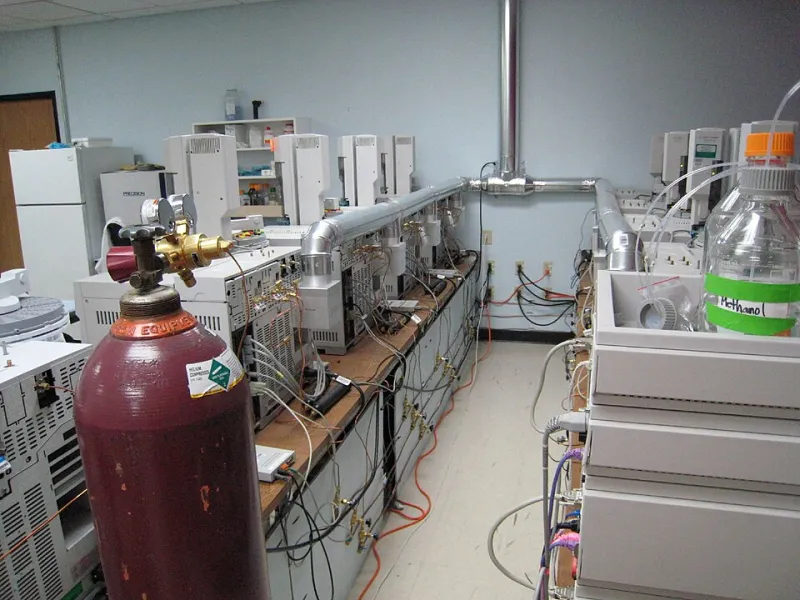
Photo: Hey Paul from Sacramento, CA, USA, CC BY 2.0, via Wikimedia Commons
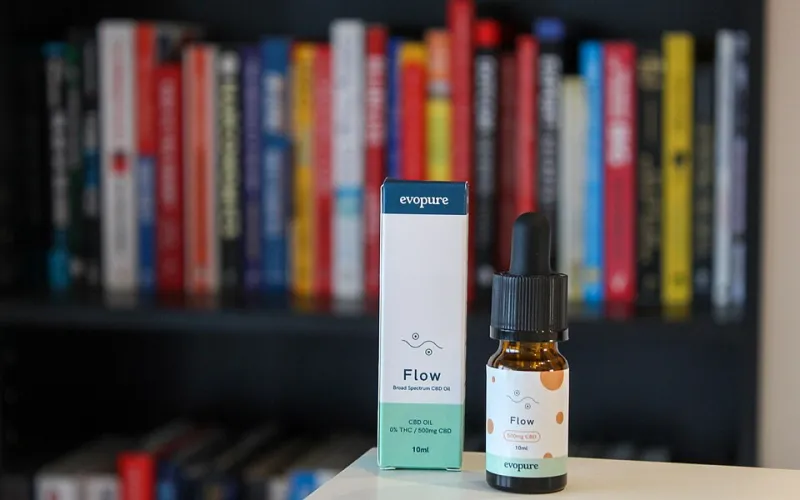
Walk into a UK CBD retailer in late 2026 and the language on the shelf is likely to be more sensory than scientific. Oils are described as citrus-forward, earthy or peppery; vape cartridges promise a 'terpene profile'; labels use 'naturally flavoured' as a reassuring shorthand. None of that is necessarily misleading. But terpenes are chemical compounds, not a mood board, and the words used to describe them often tell a buyer far less than they appear to.
Why terpenes belong in a purity conversation
Terpenes are volatile organic compounds found in plants, including cannabis. They contribute aroma and flavour, and they are part of the chemical profile that laboratories can measure. In a purity-focused market, that matters for two reasons. First, a product that advertises a terpene profile is making a compositional claim, even if it is not framed that way. Second, the route by which those compounds arrive in the bottle - from the plant, from another botanical source, or from isolated ingredients - affects what the label can honestly say.
UK flavouring rules allow the term 'natural flavouring' in certain circumstances, but they do not create a CBD-specific disclosure standard. The phrase can be legally accurate while remaining silent on the source, quantity or chemical identity of the flavouring. For a buyer trying to judge purity, that is the central problem: 'natural' is a category, not a specification.
Three routes to the same citrus note
Most terpene claims in UK CBD fall into three broad routes. The first is cannabis-derived terpenes: compounds captured from cannabis or hemp material and then, in many cases, recombined. The second is botanical terpenes: limonene from citrus, pinene from pine, linalool from lavender, and so on. The third is isolated or synthetic terpenes produced to a specification. A lab can detect limonene in a sample and report its concentration. It cannot easily prove whether that limonene came from hemp, orange peel or a drum of isolated ingredient.
That limit is not a reason to dismiss laboratory testing. It is a reason to read the certificate for what it actually says. A terpene panel can confirm the presence and approximate amount of listed compounds, the method used and the batch tested. It cannot, on its own, confirm provenance, whether the terpenes were native to the extract or added afterwards, or whether the aroma experienced by the user matches the marketing story.
What a certificate can and cannot confirm
For a buyer, a batch-linked certificate of analysis is the minimum evidence. It should identify the product, batch code, test date and laboratory, and it should show the terpene compounds tested, the method - typically gas chromatography - and the limit of quantification. Without a limit of quantification, a result of 'not detected' is less informative than it looks. Without a batch link, a terpene wheel on a brand website is an illustration, not evidence.
What the certificate cannot do is settle the meaning of 'naturally flavoured'. It may show that a profile exists; it will not usually show whether a flavour house blend was added at 0.2 per cent or whether the product relies on terpenes naturally present in a hemp extract. It also cannot confirm that an inhaled product is safe to heat, or that a flavouring is suitable for inhalation. Those are separate questions, and they deserve separate answers.
Label language that should prompt questions
Several phrases are worth treating as prompts rather than conclusions. 'Terpene infused' suggests addition but does not say of what, at what level or from which source. 'Full spectrum' may imply native terpenes, but the term has no single enforced definition in the UK CBD market. 'Naturally flavoured' may mean botanical flavourings, cannabis-derived terpenes or a mixture. 'Entourage effect' is a hypothesis, not a testing category, and it should not be used to bypass ingredient disclosure.
None of these phrases is automatically a red flag. The issue is whether the brand can move from atmosphere to evidence when asked. A product can be flavoured with botanical terpenes and still be transparent; a product can claim cannabis-derived terpenes and still be vague about quantity. Purity is not determined by whether a flavour is natural. It is determined by whether the composition is known, tested and described accurately.
Sharper questions for the counter or inbox
Buyers who want more than a scent description can ask a short set of questions. Is the terpene content cannabis-derived, botanical or a blend? Were terpenes added before or after extraction? What is the total terpene percentage, and what range is normal for the batch? Does the batch certificate include a terpene panel with a stated limit of quantification? Which batch code does the certificate refer to? Has the formulation changed since the previous batch, and if so, was it retested? For vapes, is there any evidence supporting the flavourings for inhalation?
A brand may not answer every question in a chat window. What matters is whether it can point to a document. A concise formulation statement plus a batch-specific certificate is more useful than a paragraph about plant romance. If the only answer is that the product is 'naturally flavoured', the buyer has learned something about the marketing, but very little about the bottle.
What good disclosure looks like
Good disclosure separates what is native from what is added. It might say that the terpenes are naturally present in the hemp extract and that no flavouring has been added. It might say that a botanical terpene blend is added at a stated level, with the source and batch certificate available. Either approach can be honest. The failure is the middle ground: a label that implies plant-derived complexity while withholding the information needed to verify it.
For CBD Purist, the test is simple. Terpenes are not perfume. They are part of the chemical profile, and claims about them should be treated as compositional claims. A buyer does not need a laboratory degree to ask for the batch certificate, the method and the source. They just need to remember that 'naturally flavoured' is a starting point for questions, not the end of them.