Kitchen-Table Science: Why Five Popular Home CBD Checks Cannot Verify Purity
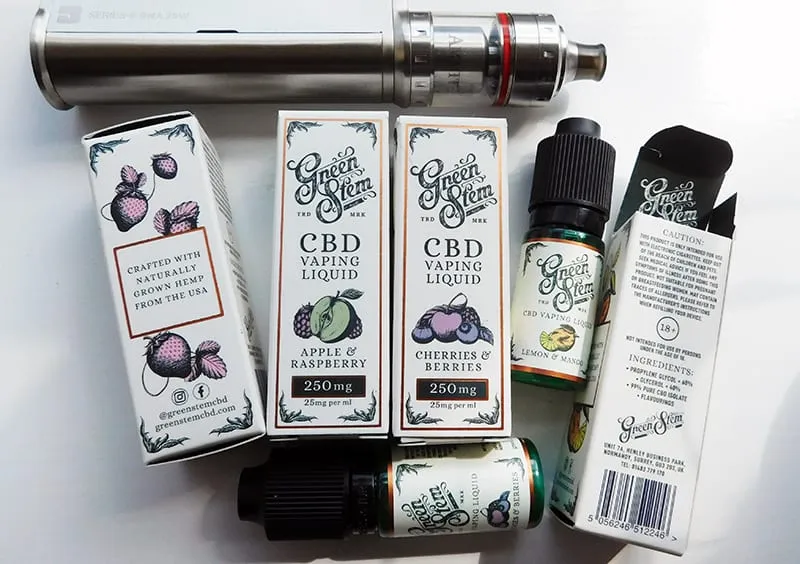
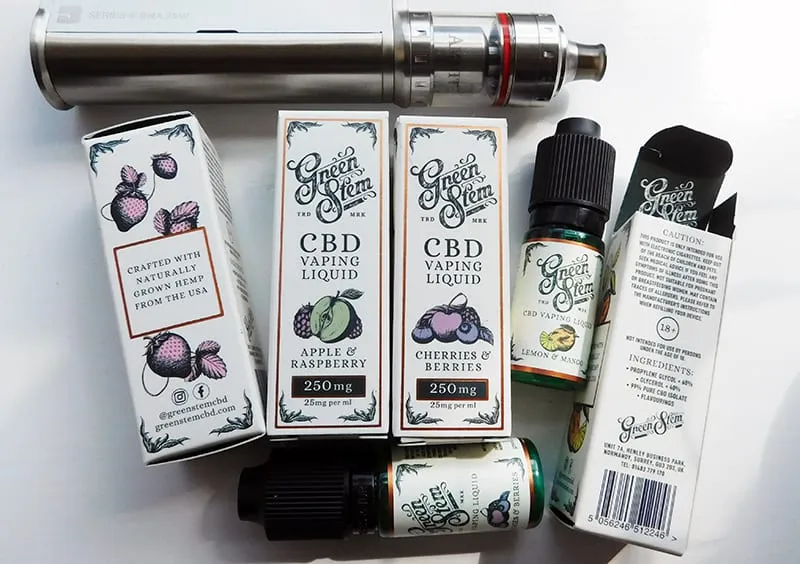
Photo: Ecig Click, CC BY-SA 2.0, via Wikimedia Commons
Home testing has an obvious appeal. It is quick, inexpensive and gives the buyer something to do while waiting for a delivery or deciding whether to reorder. In the UK CBD market, informal checks circulate widely: a drop of oil in a glass of water, a bottle placed in the freezer, a visual inspection of colour, a taste on the tongue and the so-called oily drop trick. Each is often presented as a shortcut to purity. None is.
That is not because buyers are naïve. It is because the claims made for these tests are vague enough to sound plausible. A clouding liquid, a change in thickness or an unexpected bitterness can feel like evidence. In practice, such observations describe physical behaviour or sensory response. They do not identify cannabinoids, quantify potency, detect contaminants or confirm that the label is accurate. For a UK buyer trying to assess a CBD product, the distinction matters.
The Water Glass: An Emulsion, Not an Audit
The water test usually involves adding CBD oil to water and watching what happens. The oil may float, disperse into droplets or turn the water cloudy. Some buyers interpret cloudiness as a sign of quality, or its absence as a sign of adulteration. Neither reading is reliable.
CBD oil is hydrophobic. It does not dissolve in water, and water is not a reagent for cannabinoids. What the glass shows is density, miscibility and, where present, the action of an emulsifier or solubiliser. A product formulated with a food-grade emulsifier may cloud readily. A simple oil may sit on the surface. A bottle containing no CBD at all could behave in much the same way as one containing a high dose. The test says something about formulation behaviour; it says nothing about cannabinoid content, heavy metals, pesticides, solvents or microbiological safety.
The Freezer: Cold Changes Texture, Not Composition
Placing a CBD bottle in the freezer is another common ritual. The reasoning is that a pure product should behave in a particular way when chilled, while an impure one should separate or solidify. In reality, carrier oils have different melting and solidification points. Coconut oil and some MCT preparations can thicken markedly in the cold. Olive oil and hemp seed oil may behave differently again. A change in viscosity is therefore expected in many legitimate products.
Cold can also reveal separation in an emulsion, but that is a formulation issue rather than a purity verdict. It does not tell the buyer whether the stated milligram count is accurate, whether THC or THCA is present at a particular level, or whether the batch has been screened for cadmium, lead or pesticide residues. Some adulterants might thicken; some might not. Without a defined method and a reference standard, the freezer is simply a cold place.
The Colour Check: Pigment Is Not a Purity Grade
CBD oils range from pale gold to amber, olive and dark green-brown. The colour reflects extraction method, chlorophyll content, oxidation, carrier oil, flavouring and packaging history. A clear isolate product may look pristine, but clarity is not a certificate. A dark full-spectrum oil may look less refined, yet colour cannot establish that it is contaminated or that it is clean.
Visual inspection under kitchen light is not spectrophotometry. It cannot detect lead at a meaningful limit, identify a solvent residue or distinguish between a harmless plant pigment and a failing batch. Nor can it confirm that the label’s stated cannabinoid profile is correct. Colour is a cosmetic characteristic, not a purity grade.
The Taste Test: Sensory Data, Not a Specification
Bitterness, peppery notes, earthiness or a mild sweetness are often treated as signals. Some of these sensations may come from terpenes, flavonoids, carrier oils or added flavourings. Others may reflect oxidation. None is a measurement. A harsh taste can prompt a sensible question about storage or freshness, but it cannot quantify CBD, detect microbial contamination or rule out heavy metals. Many contaminants are tasteless at relevant levels, and individual sensitivity varies widely.
Taste is also easy to influence. A flavoured product may mask the character of the oil. A capsule or edible may bypass the issue altogether. Treating taste as a purity test places considerable weight on an untrained sensory impression.
The Oily Drop: Consistency Without Identity
The oily drop trick takes several forms: a drop on the skin, a drop on tissue paper or a drop observed for how it spreads. Buyers may look for absorption, a ring or a particular texture. These observations can describe viscosity, emollience and carrier behaviour. They cannot identify the cannabinoid content or prove that the liquid is free from contaminants.
Hemp seed oil, which contains little or no CBD, can feel oily on the skin. A diluted product can spread neatly. A product with a different carrier can behave unexpectedly. The trick offers a tactile impression, not an identity test.
What Home Checks Can Establish
There is a limited role for informal inspection. A leaking bottle, visible mould, obvious separation or an unusual smell are reasonable reasons to stop and ask questions. These are prompts, not proof. They do not answer the questions that matter most to a purity-focused buyer: how much CBD is present, what else is in the batch and whether the product matches its label.
Home checks cannot validate potency, THC or THCA levels, heavy metals, pesticide coverage, solvent residues or microbiological safety. They cannot confirm that the batch has been sampled properly or that the laboratory was independent. They cannot turn a generic certificate into a batch-specific record.
From Guesswork to Batch Evidence
The credible alternative is documentary. A batch-specific certificate of analysis should allow the buyer to connect the product in hand to a defined batch. Look for a batch number that matches the packaging, a named laboratory, a test date, the analytical method and a cannabinoid profile with limits of quantification. Contaminant panels should be present and readable, not reduced to a tick box.
A QR code should resolve to the same batch, not a generic brand page. An accreditation logo should be accompanied by a scope that covers the tests claimed. A Novel Food listing, where relevant, is not a purity result. Each of these points is more useful than a glass of water, because each can be checked against a record.
A Short Buyer Checklist
- Treat home tests as prompts for questions, not answers.
- Locate the batch code on the packaging.
- Download the certificate and compare batch, product and test date.
- Check cannabinoid totals, THC and THCA, and the limits of quantification.
- Look for heavy metals, pesticides, solvents and microbiology where claimed.
- Ask the brand for batch-specific evidence if the certificate is generic or missing.
Conclusion
The kitchen table can tell a buyer whether a product feels thick, smells familiar or tastes pleasant. It cannot tell them what is in the bottle. In a UK market where lab reports are increasingly available, the meaningful test is batch-specific and documentary. Purity is not a party trick, and a glass of water is not a laboratory.